
There are so many opportunities that I can get here that I am not able to get anywhere else.
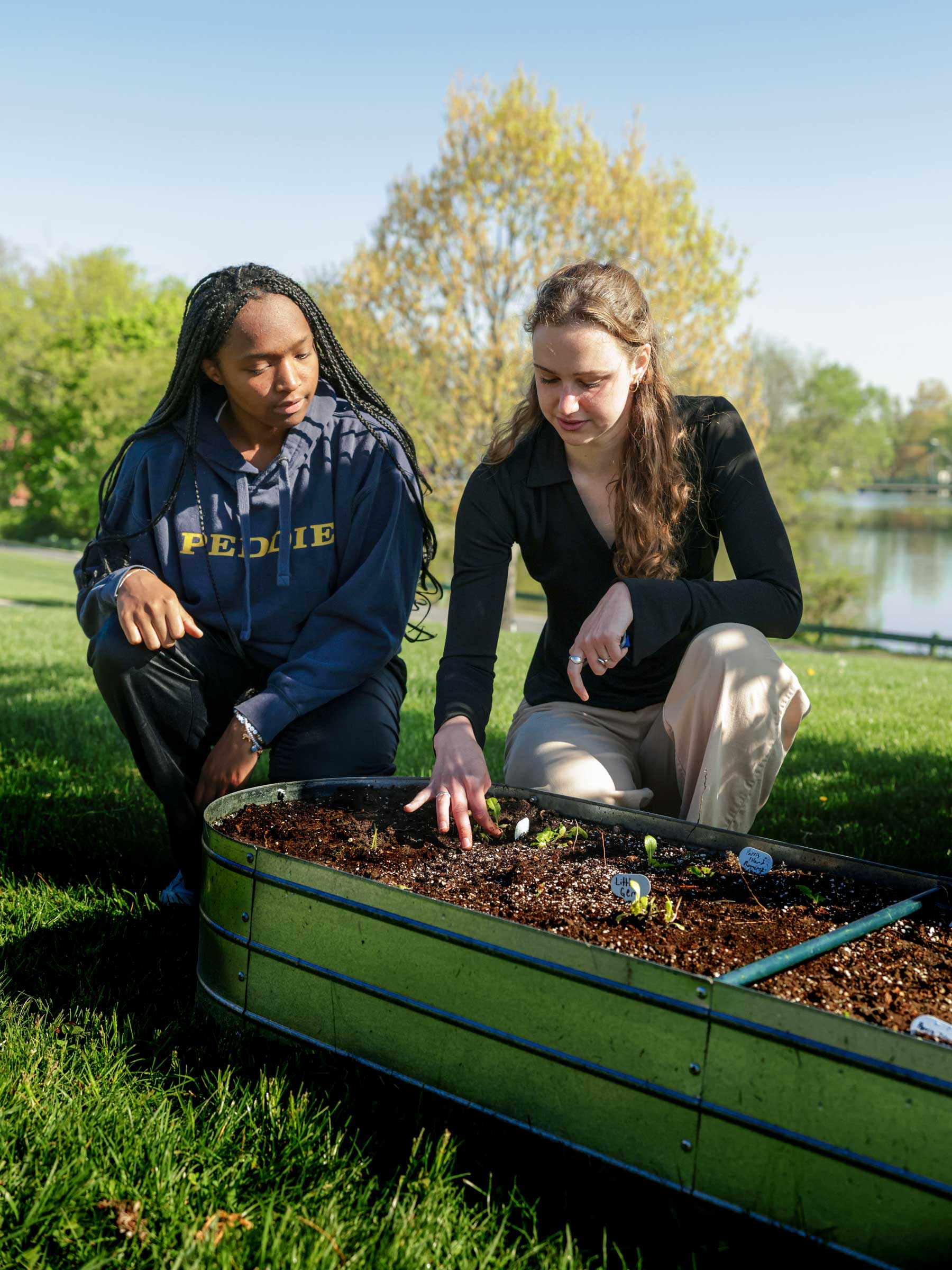
Sustainability and environmental stewardship are woven throughout life at The Peddie School. From environmental science research and outdoor field studies to campus operations and dining initiatives, students experience sustainability as part of everyday learning.
Whether they’re conducting research at Peddie Lake, growing produce for the dining hall, exploring environmental ethics in English class or helping shape campus sustainability initiatives, students learn that meaningful change begins with curiosity, collaboration and action. Preparing students to become thoughtful citizens means helping them understand their responsibility to one another and to the world they will inherit.


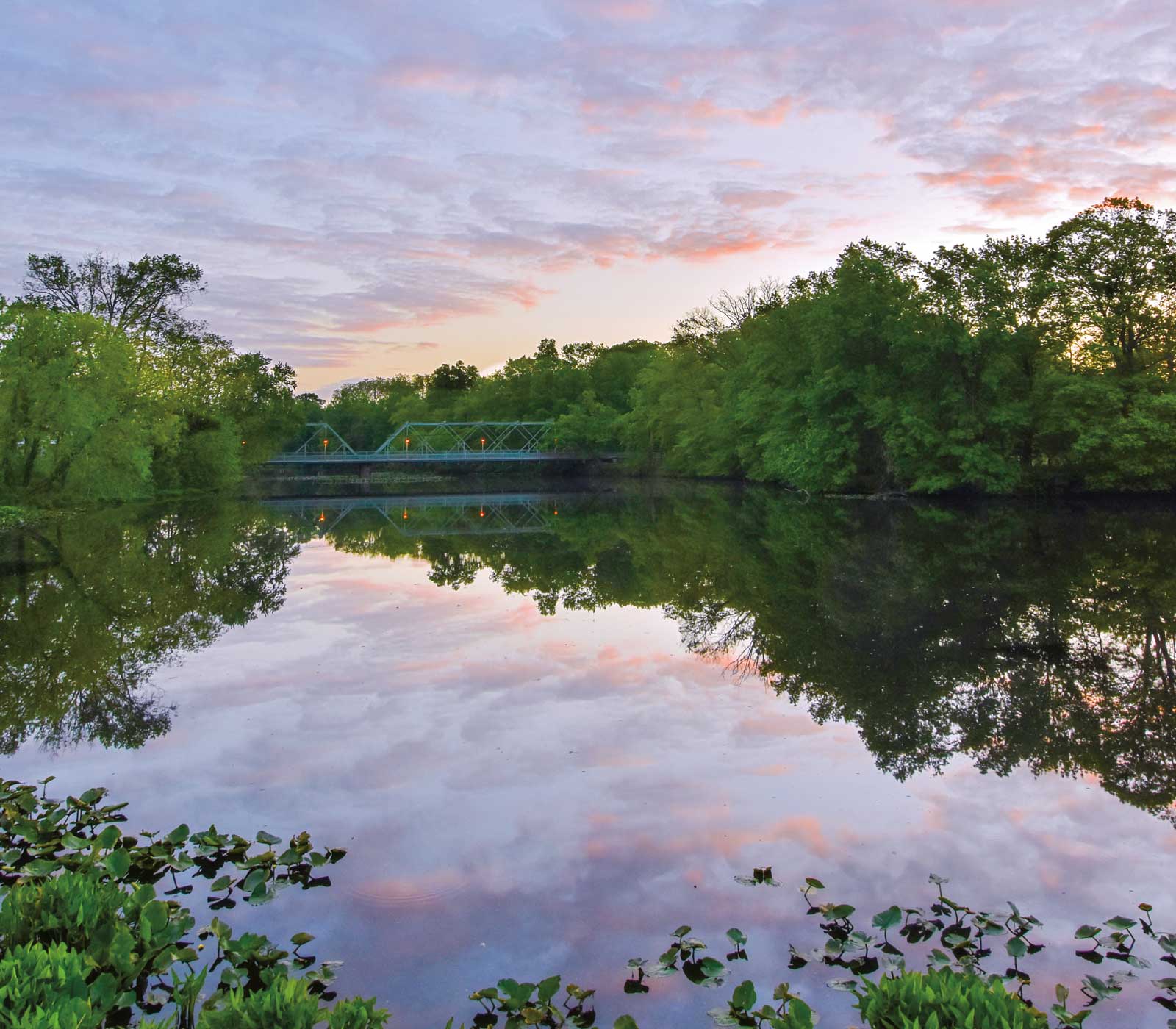
Peddie's campus serves as a living laboratory where students investigate ecosystems, study biodiversity and examine the relationship between people and the natural world.
One of the newest examples is Field Ecology, an immersive science course that takes students outdoors nearly every day. Students identify native plants and wildlife, monitor animals using camera traps, survey local ecosystems and study the ecological health of Peddie Lake. Their work recently helped earn Peddie designation as a Certified Wildlife Habitat through the National Wildlife Federation.
Environmental learning extends well beyond the science classroom:
Wherever students' interests lie, sustainability becomes another lens through which they learn to think critically, solve problems and understand the world around them.
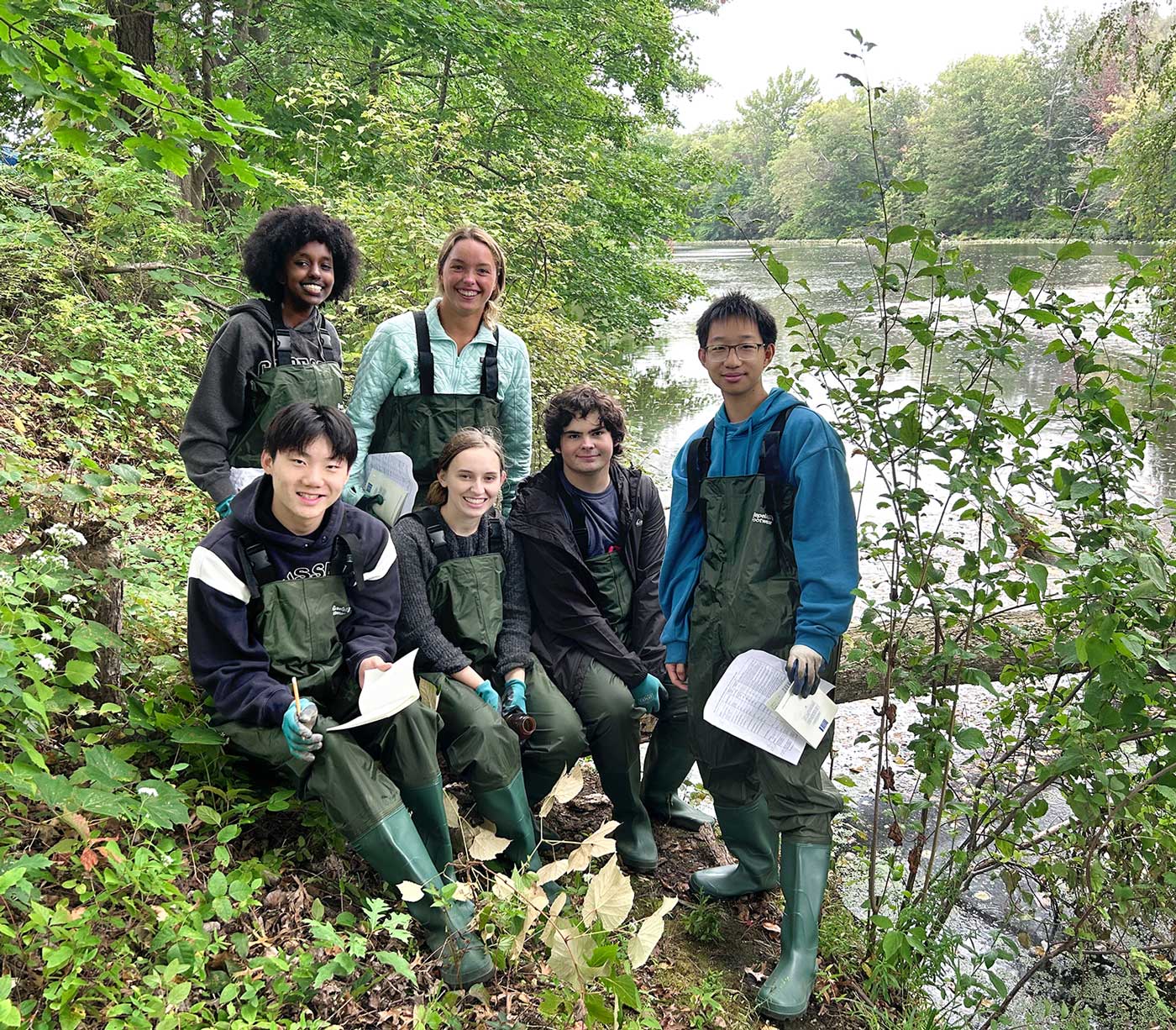
Sustainability at Peddie is driven by students.
The Peddie Environmental & Sustainability Team (PEST) is a student-run organization that empowers students to educate their peers, launch new initiatives and help shape a more sustainable campus.
PEST members:
Composting is such a big part of our daily culture and routine. It’s so easy to make this change, and it’s really been impactful.”
As Peddie's Sustainability and Environmental Stewardship Coordinator and a member of the science faculty, alumna Nika Blank ’16 connects sustainability efforts across academics, campus operations and student life.
Working alongside students, faculty and staff, she is helping build a long-term vision that integrates environmental stewardship into every part of the Peddie experience.
Meaningful success will look like everybody doing their part in pulling us forward. The more people who see that what they do is impactful, the more excited they become.”

Students partnered with Peddie Food Service and local nonprofit Share My Meals to donate surplus prepared meals and fresh produce to NJ Rise, helping reduce food waste while supporting local families.

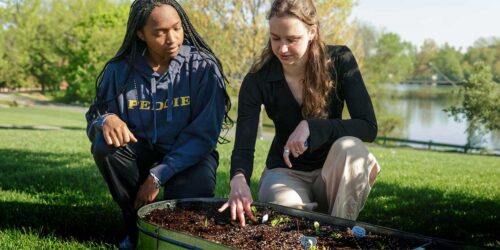
Students in PEST and AP Environmental Science grow vegetables that are harvested, prepared and served in the dining hall, giving them firsthand experience with sustainable agriculture and local food systems.

For more than 20 years, the Peddie Purge has encouraged students to donate unwanted clothing, books, furniture and other items rather than send them to landfills. Thousands of items have been recycled, reused or redistributed throughout the community.

PEST members planted a native eastern redbud on campus, community and service groups volunteered for planting at Meadow Lakes senior living community and students partnered with Friends of Princeton Open Space to remove invasive plant species from local parks.

Revived by English teacher Joe La Bella ’03 and student Massimo Sheinin ’27, the Peddie Outdoors Club camped in Shenandoah National Park and explored Luray Caverns.

During Spring Break, students traveled to the Bermuda Institute of Ocean Sciences, where they restored native habitats and conducted marine research aboard scientific vessels.
AP Environmental Science students also visited Fernbrook Farms to study sustainable agricultural practices and toured the Hightstown Wastewater Treatment Facility to learn how wastewater is treated and safely returned to the environment.
Sustainability at Peddie extends beyond the classroom into the daily life and operation of campus.
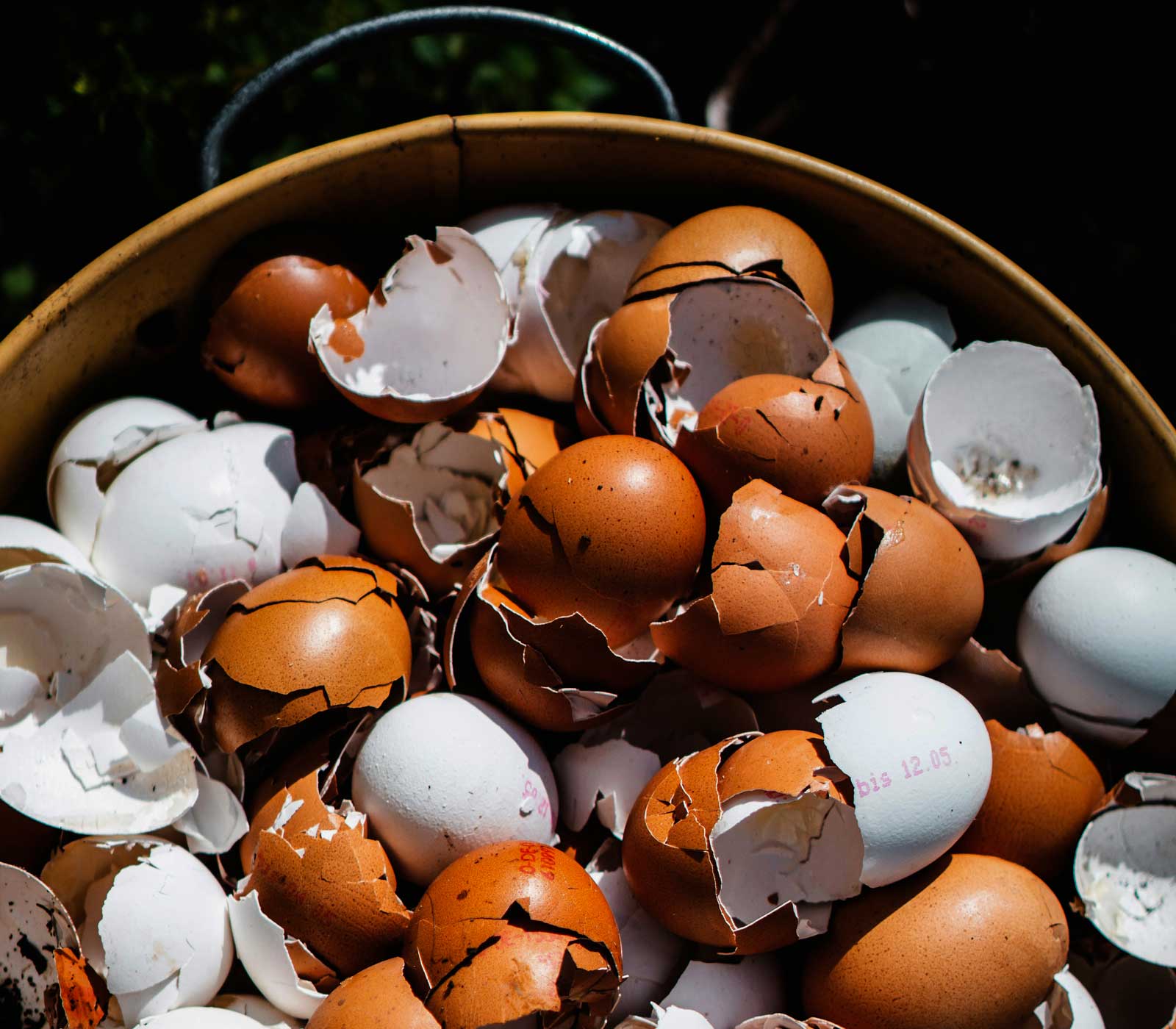
Peddie Food Service sources local ingredients whenever possible. Students also participate in one of Peddie's most visible sustainability efforts: composting. Food scraps collected in the dining hall are diverted from landfills to feed animals at a local farm.
Peddie continues to invest in sustainable infrastructure and environmentally responsible practices, including:
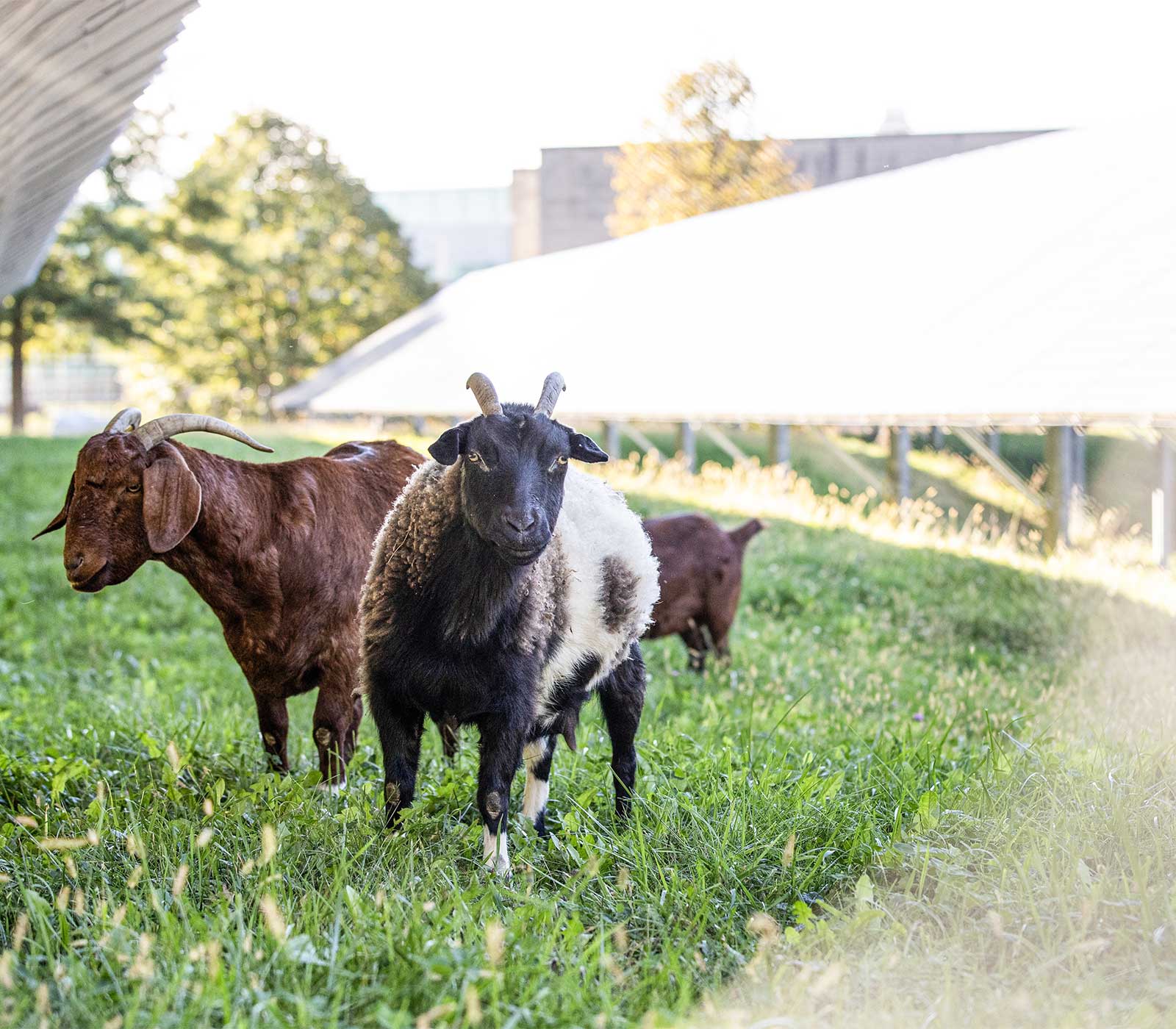
Solar panels currently generate approximately 25% of the school's electricity, while goats naturally maintain vegetation beneath the solar arrays, reducing mowing and fuel consumption. Peddie continues to evaluate new opportunities to improve energy efficiency and reduce its environmental impact.
Environmental stewardship continues to evolve at Peddie. As students ask new questions, launch innovative projects and work alongside faculty and staff, the school continues to expand environmental learning opportunities, strengthen sustainable campus practices and establish measurable goals for the future.
Every member of the community has a role to play — and every small action contributes to lasting change.
With the recent appointment of a dedicated sustainability coordinator, Peddie is poised to build on its commitment to environmental stewardship.
Read: Sustainability at Peddie: Practice + Purpose